Abstract: “Memento – The Memory of the Junkyard” (Photography Series)
Visual and Thematic Framework
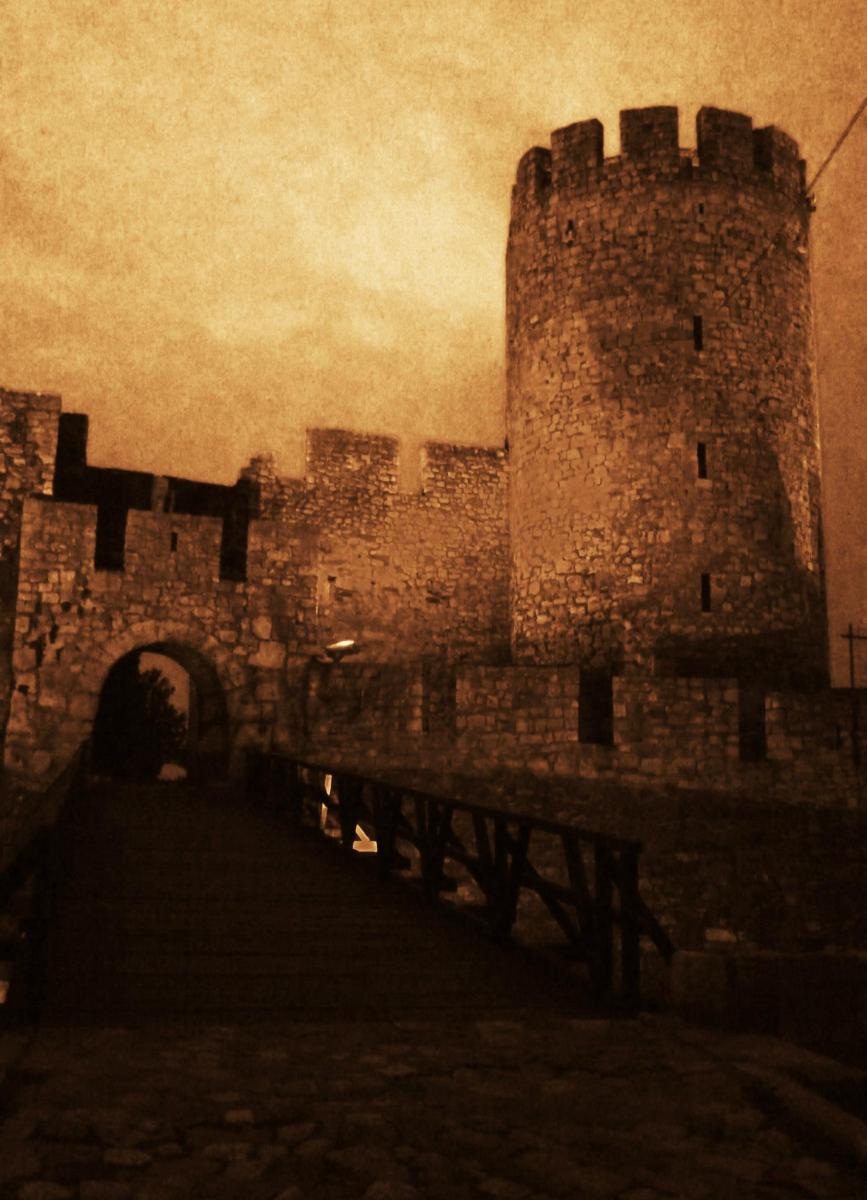
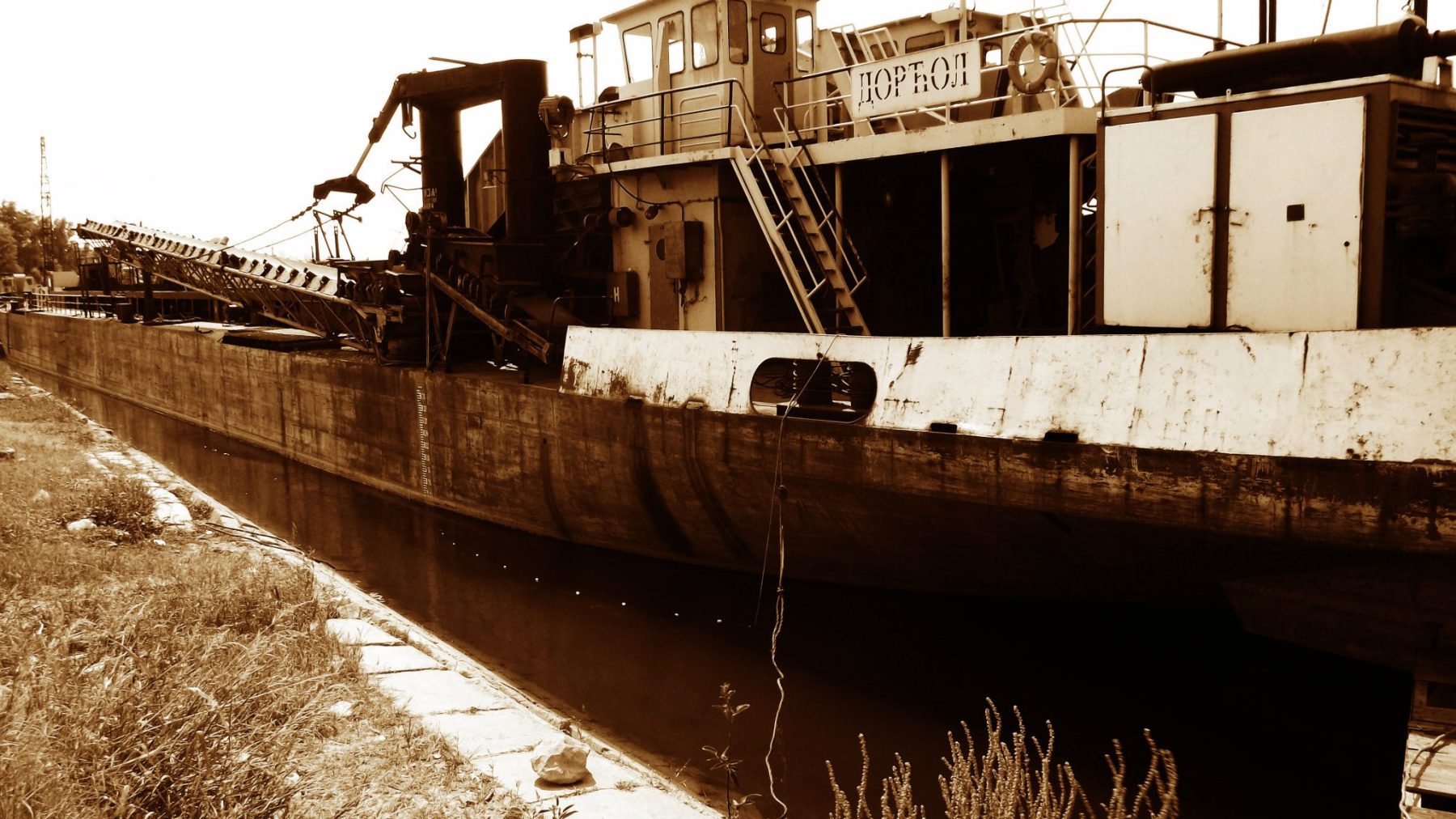
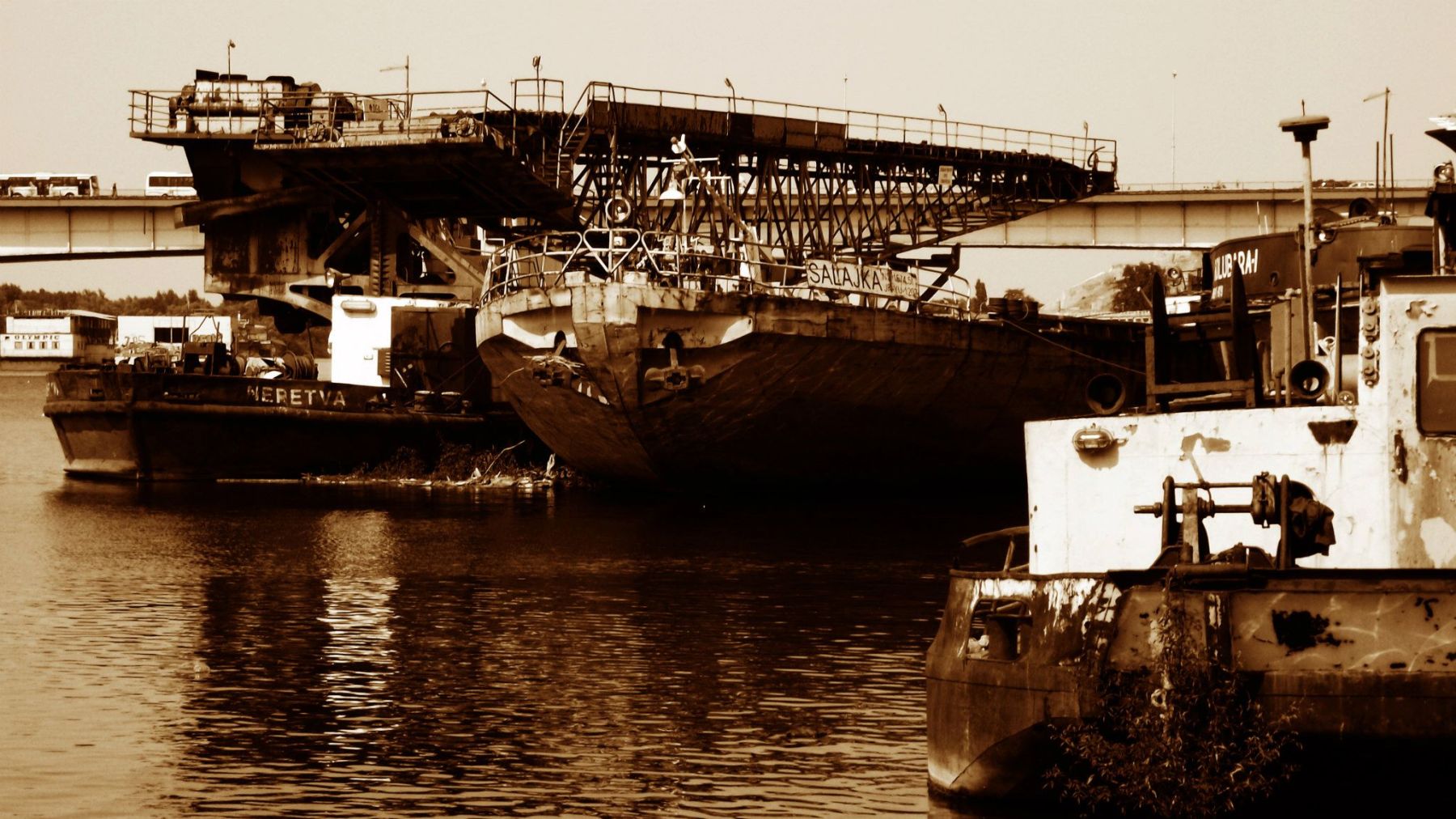
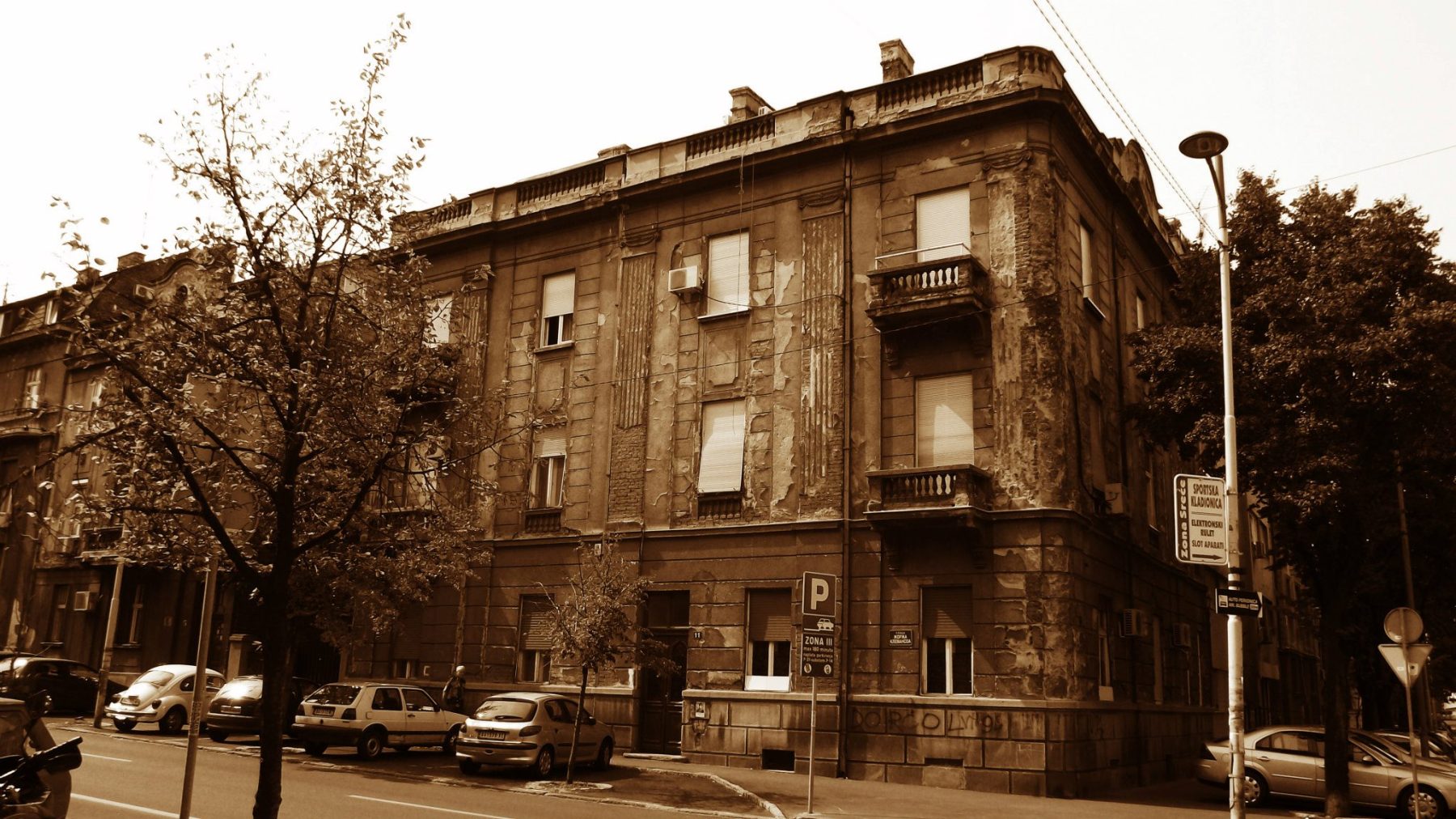
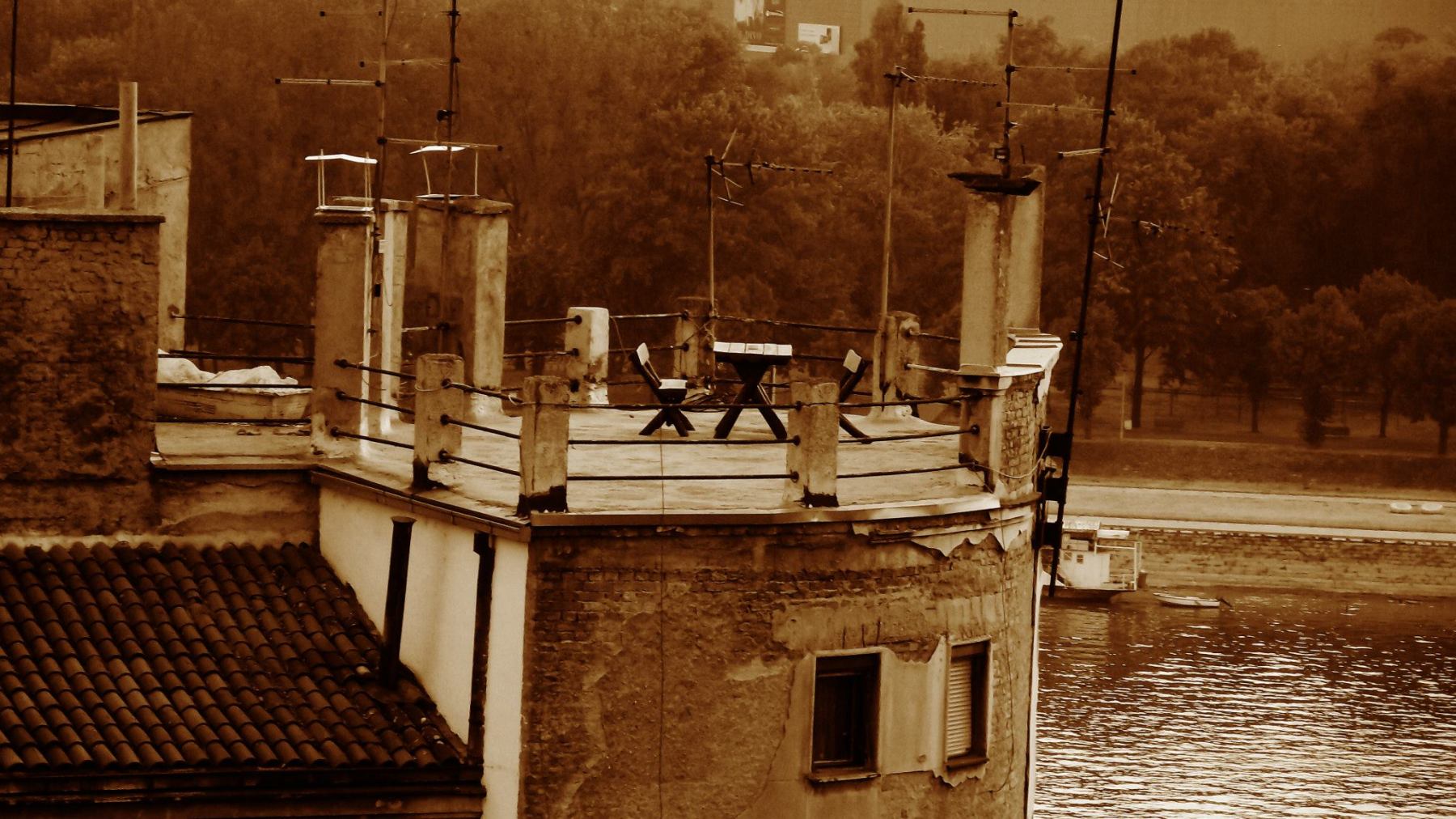
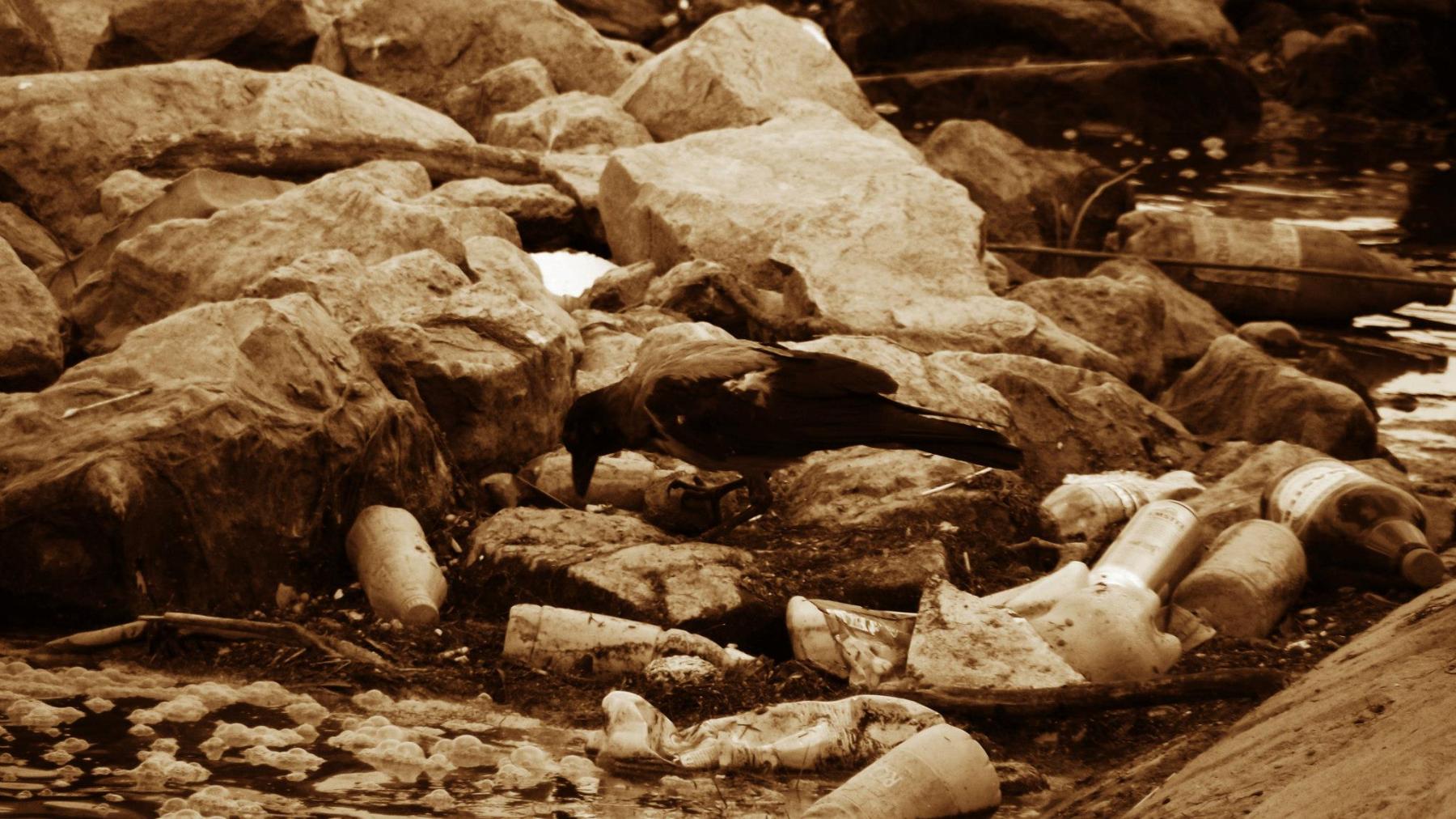
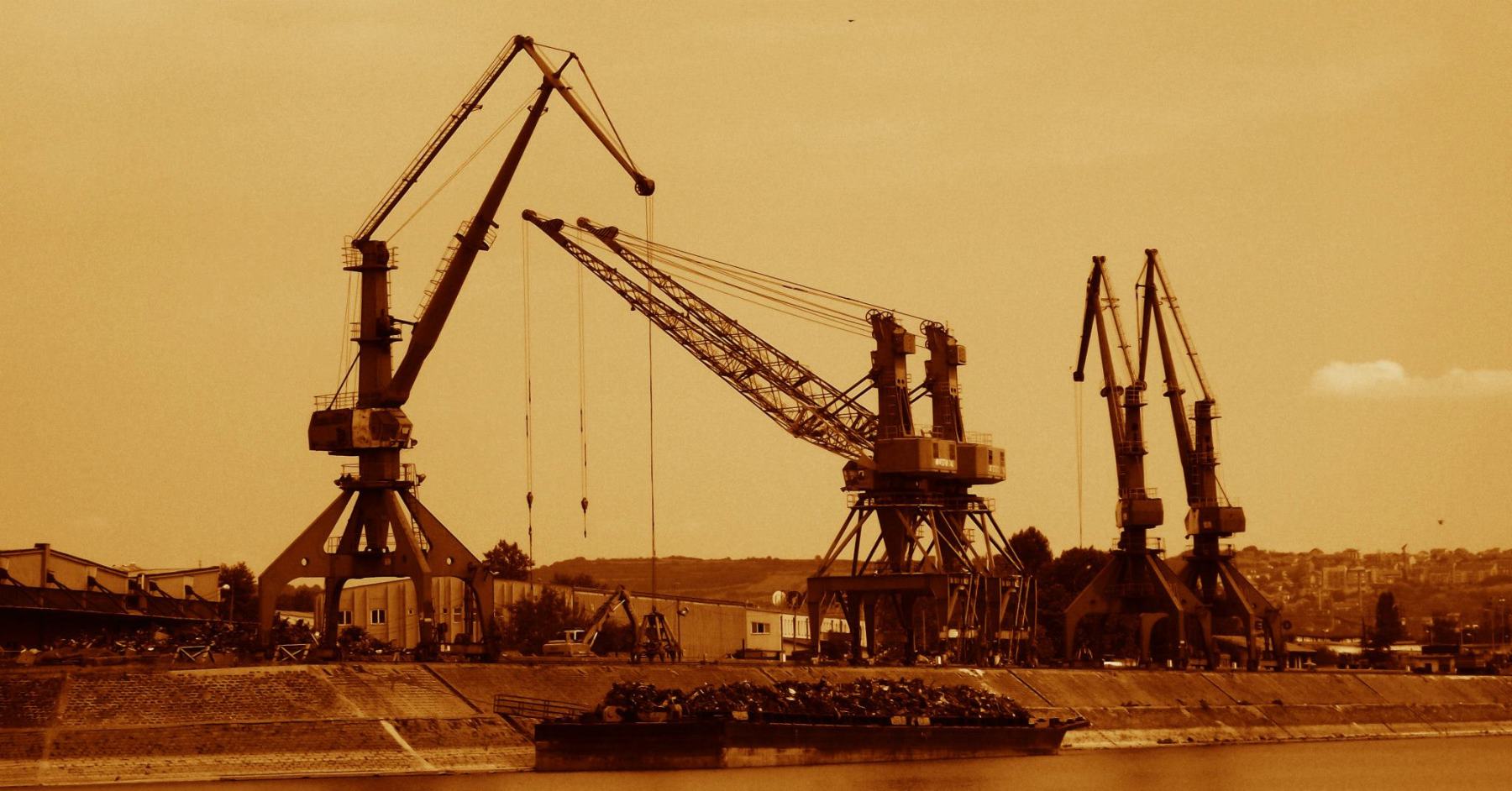
The photography series “Memento” represents a deep immersion into the aesthetics of decay. Through a lens focused on the “waste” of civilization, Periša Reljić explores spaces and objects that have lost their primary function and become part of the “memory of the junkyard.” This is an artistic response to a consumerist society that tirelessly produces and discards, leaving behind traces that resemble the skeletons of a lost era.
Central Thesis: The Aesthetics of Rust and Oblivion
The author utilizes photography as a tool for the rehabilitation of the ugly and the insignificant. Key motifs include:
- The Biology of Metal: Oxidation and rust are not viewed as damage, but as a living process—the “skin” of an object that ages and tells a story of time.
- Archaeology of the Present: Every object in the “junkyard” is treated as an artifact. The photographs document the moment when utility ends and the existential truth of the object begins.
- Šumadija Gothic through the Lens: The visual language relies on dark, heavy tones and contrasts, characteristic of Reljić’s painterly expression, conveying an atmosphere of anxiety and the inevitability of the end.
Key Pillars of Analysis
- Texture and Form: A focus on micro-details of rust, cracks, and rot that create abstract compositions, reminiscent of the canvases of Francis Bacon.
- The Silence of the Discarded: The photographs carry a powerful sense of abandonment, where the junkyard becomes a graveyard for ideas of progress and technological superiority.
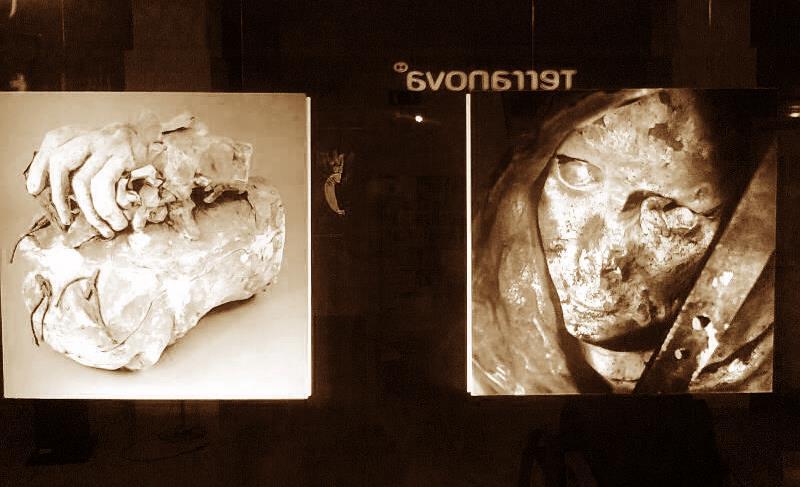
- Dialogue with the Viewer: The series forces the viewer to look at what is usually avoided, confronting them with the fact that they are also part of the cycle of emergence and disappearance.
Conclusion
“Memento – The Memory of the Junkyard” is not merely a collection of images of disintegration, but a visual manifesto on impermanence. Through these photographs, Reljić conveys that the truth about a civilization lies not in its shiny storefronts, but in what it discards and forgets. It is a memento mori of the modern age, written in rust on metal and dust on glass.
Keywords: aesthetics of decay, rust, oxidation, existentialism, industrial memory, Šumadija Gothic, visual archaeology.
Memento: Junkyard Memories